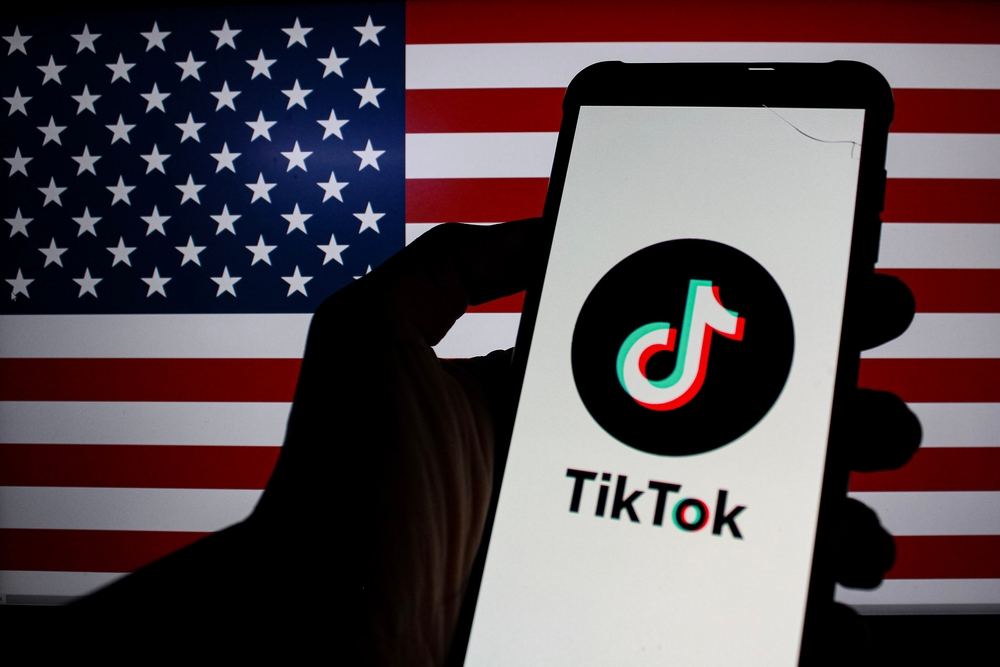
TikTok has become one of the most popular apps in the world, especially among teens and young adults. With its addictive short-form videos, clever algorithm, and endless entertainment, it’s no surprise that the platform has exploded in the U.S., boasting over 150 million American users.
But behind the viral dances and comedy sketches lies a growing concern among lawmakers, cybersecurity experts, and parents. The question isn’t whether TikTok is entertaining—it’s whether it’s safe, especially for American users.
Here are the top reasons why more Americans are choosing to stay off TikTok—or at least think twice before logging on.
1. National Security and Data Privacy Risks
At the heart of the controversy is TikTok’s ownership. The app is owned by ByteDance, a Chinese company that, under China’s National Intelligence Law, could be required to turn over data to the Chinese Communist Party if requested.
TikTok collects large amounts of data, including:
- Location and device data
- Browsing and search history
- Keystroke patterns
- Biometric data (e.g., faceprints and voiceprints)
While TikTok claims it stores U.S. user data on servers in the United States as part of “Project Texas,” multiple reports, including one from BuzzFeed News, have shown that ByteDance employees in China have accessed American user data.
This raises serious questions about whether personal information, especially that of young Americans, could end up in the hands of a foreign government.
2. Algorithmic Influence and Censorship Concerns
TikTok’s “For You” page is one of the most powerful content recommendation systems online—but also one of the least transparent.
Critics warn that the algorithm could be used to:
- Promote certain narratives or political viewpoints
- Suppress sensitive content (e.g., Tiananmen Square or Uyghur Muslims)
- Influence public opinion, especially during U.S. elections
This leads to concerns about TikTok becoming a tool of soft power or propaganda, particularly since China has been known to exert control over media companies operating in or connected to the country.
3. Impact on Mental Health—Especially for Teens
TikTok’s design is engineered to be addictive. The infinite scroll, tailored content, and dopamine-driven engagement can have harmful effects on users—especially teens and pre-teens.
Recent studies and expert analysis suggest:
- Increased anxiety and depression (Common Sense Media)
- Declining attention spans
- Body image issues linked to filtered content and influencers
- Exposure to dangerous trends (e.g., the “Benadryl Challenge” or the “Devious Licks]” trend)
TikTok has made changes to try and curb harmful content, but many critics argue it’s too little, too late.
4. Government Bans and Legal Challenges
The U.S. government, military, and over 30 U.S. states have banned TikTok from government devices, citing security concerns. A bipartisan bill known as the RESTRICT Act has been introduced to potentially give federal authorities the power to ban or regulate apps like TikTok more broadly.
Additional legal issues include:
- Class action lawsuits related to child privacy violations
- Federal Trade Commission complaints regarding past data practices
- Ongoing investigations into whether TikTok misled the public about its ties to ByteDance
Globally, TikTok has already been banned in countries like India, citing similar national security threats.
5. “Project Texas” and the Illusion of Data Protection
TikTok’s “Project Texas” aims to address U.S. concerns by storing user data on servers owned by Oracle, a Texas-based company. But reporting from The New York Times and others suggests that ByteDance employees in China still retain access to the data.
Experts say this undermines the entire initiative, turning Project Texas into more of a PR strategy than a real solution to systemic risks.
Final Thoughts: Is TikTok Worth the Risk?
TikTok has changed digital culture—but at what cost?
With rising concerns about data privacy, national security, mental health, and censorship, many experts believe the risks far outweigh the entertainment value—especially for younger users.
As more information comes to light, Americans should seriously evaluate whether TikTok deserves a place on their devices.